Hey everyone, thanks for stopping by my corner of the web— I’m Jake, owner of a firefighting gear supply company, and let me tell you, nothing stresses me out more than hearing a crew run into a compatibility mess mid-call. Last year, I got a frantic 2 a.m. call from a small department out west: their new air cylinders wouldn’t lock into their existing thermal imaging cameras, and they were stuck fighting a structure fire with half their gear not working right. Scary stuff, right? That’s why today I’m breaking down exactly how we make sure every piece of gear we ship plays nice, and what crews can do on their end too, no stuffy jargon or corporate red tape here. Firefighting Gear
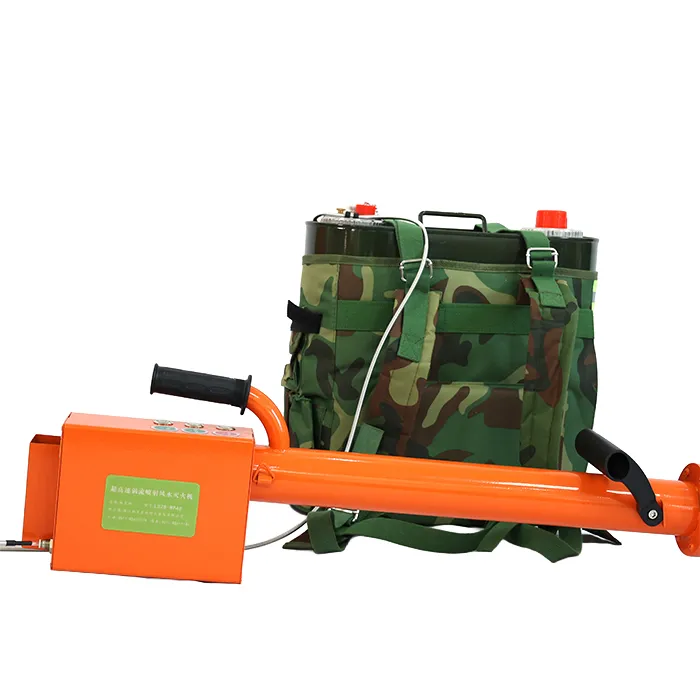
First off, let’s be real—firefighting gear isn’t just a bunch of random parts thrown together. Each item (turnout coat, air cylinder, face mask, radio clip, even the boot laces) has to sync up like a well-oiled team. The biggest mistake I see both new departments and even some seasoned ones make is mixing and matching parts from different brands just because they’re cheaper, or because they saw a buddy’s setup that “works for them.” But here’s the hard truth: what works for one crew might not work for yours, and that’s where compatibility blows up fast.
Let’s start with the core: your Personal Alert Safety System (PASS), Self-Contained Breathing Apparatus (SCBA), and face mask. These three are non-negotiable when it comes to compatibility, because if they don’t click right, you’re either leaking air or the PASS won’t trigger when you need it most. At our company, we don’t just sell SCBAs from Brand A and masks from Brand B—we test every single SCBA and mask pair in our warehouse before it leaves. Last month, a client ordered a mask we hadn’t paired with their specific SCBA model, and when we did a quick pressure test, the seal gap was too big. We called them right away, explained the issue, and swapped the mask for one that fit perfectly instead of letting them waste time and money on a part that wouldn’t work. That’s the stuff that makes my job worth it, y’know?
Now, turnout gear—your coat and pants, your helmet, your gloves. I see so many crews grab a new helmet because it looks cool, but it doesn’t line up with their coat’s collar, so when they bend down to crawl under a burning building, smoke seeps in around the neck. How do we fix that? We work with every gear brand we partner with to share exact measurements: collar width, helmet rim size, glove cuff length. We don’t just guess—our team has a full-size mockup of a turnout coat rack, where we test every glove, helmet, and mask to make sure they slide and lock where they’re supposed to. For example, last year we launched a new line of heat-resistant gloves, and the original specs said the cuff was 5 inches wide, but when we tested it with our standard coat, it was half an inch too narrow. We went back to the manufacturer, adjusted the cuff, and now it fits 100% of our coat models. That kind of attention to tiny details is what prevents a firefighter from getting a nasty burn because their gear didn’t close right.
Then there’s the tech stuff—radios, flashlights, thermal imaging cameras (TICs). This is where compatibility gets tricky because tech changes so fast. A few years ago, a department came to us with a new TIC they bought online, and it wouldn’t mount to their existing radio’s chest clip. They tried gluing it, taping it, even rigging a contraption with wire hangers—total waste of time during a call. At our place, we have a dedicated tech guy, Mike, who spends all day testing new gear attachments. He knows every radio model on the market, every TIC mount, every flashlight clip. When we get a new tech product, he spends a week testing it with 5 different popular radios, making sure it mounts securely and doesn’t get in the way of a firefighter’s movement. He even keeps a binder with all that info for every client, so they don’t have to guess which mount works with their gear.
Wait, let’s talk about something super basic but overlooked: fasteners and connectors. The nuts and bolts, the buckles, the clips that hold everything together. I can’t tell you how many times we’ve had a crew come back because their SCBA hose kept slipping off the cylinder valve, or their coat buckle broke mid-bend. Why? Because they bought a cheap buckle from a random online shop that didn’t meet the industry standard. We only use fasteners that are NFPA-compliant, by the way— that’s non-negotiable for us. NFPA sets the safety standards for firefighting gear, and every single part has to meet those specs. If a part isn’t NFPA-certified, we don’t sell it, plain and simple. Last quarter, we turned down a big bulk order for turnout gear because the manufacturer tried to cut corners on the buckles, making them thinner than the NFPA limit. I’d rather lose a sale than risk a firefighter’s safety.
Now, what about when a crew wants to mix old gear with new gear? That’s a common question, and the answer isn’t always cut and dry. Here’s the rule we go by at our company: if your old gear is still NFPA-compliant (meaning it hasn’t expired, it’s been properly inspected, and it meets current safety standards), then you can pair it with new gear, but only if you test it. For example, a department in Ohio had an old SCBA that was still good, but they wanted a new face mask. We tested the mask’s seal with their SCBA, checked the air flow, and made sure the PASS system worked with the old SCBA’s control unit— it did, so we sold it to them. But I always tell crews to do their own on-site tests too. Once a quarter, grab a few people, put on the full gear setup they use, and walk through a drill—crawl, bend, climb, check that all the parts stay in place, no leaks, no gaps. Don’t wait until a real fire to find out something’s wrong.
Wait, let’s address the elephant in the room: cost. I know firefighting departments have tight budgets, and sometimes mixing brands or buying cheaper parts seems like the only option. But let’s be real—compatibility issues lead to downtime, maybe even injuries, and that’s way more expensive than buying gear that works together from the start. A few months ago, a small town department called me because they bought a used SCBA from a private seller for half price, and it wouldn’t work with their new masks. They ended up having to replace both the SCBA and the masks, which cost them twice as much as if they’d just bought a compatible pair from us in the first place. That’s why we always work with clients to find gear that fits their budget, but also fits together. We don’t upsell; we listen to what they need, and we find solutions.
Another thing: regular inspections. Even if all your gear is compatible on paper, it can stop working together over time. Gloves wear out, buckles rust, SCBA valves get stuck. We have a free inspection guide on our website (shameless plug, but it’s true) that walks crews through checking every part for wear, testing seals, making sure clips are tight. We also offer on-site inspections for departments within a 50-mile radius—Mike will drive out, go through every piece of gear, mark what needs replacing, and make sure all the parts play nice. Last month, a crew called us after Mike’s inspection and found that their old helmet’s chin strap was stretched, so it wouldn’t lock into their new coat’s D-ring. We replaced the strap for them, and it was like they had brand new gear.
Let me wrap this up with a real example. Last month, I visited a rural fire department for a training day. Their gear was a mix of 5 different brands, some 10 years old, some brand new. We did a drill where they all suited up for a simulated structure fire. Halfway through, one firefighter’s mask seal popped because the helmet rim was too wide, another’s radio kept slipping off their chest because the mount didn’t line up with their coat’s pocket. After the drill, we sat down and went through their gear. We found that 80% of their issues came down to poor compatibility. We didn’t sell them all new gear—instead, we gave them a list of small, affordable adjustments: new helmet rim seals, a radio mount that fits their coat, a mask adapter that works with their SCBA. They used less than $500 to fix all the issues, and now their gear works perfectly together. That’s the kind of win I love to see—solving problems without breaking the bank.
So here’s the bottom line: compatibility isn’t just a buzzword—it’s about making sure every firefighter gets home safe every single time. Whether you’re a big city department or a small volunteer crew, don’t cut corners on this. If you’re in the market for new gear, or if you’re having trouble making your current gear play nice, hit me up. We can chat through your needs, test your current setup, or get you set up with gear that’s NFPA-compliant, compatible, and fits your budget. No sales pitches, no confusing jargon—just real talk for real crews.
Thanks for reading, stay safe out there.
Protective Clothing References
NFPA 1971, Standard on Protective Ensembles for Structural Fire Fighting and Proximity Fire Fighting
NFPA 1981, Standard on Open-Circuit Self-Contained Breathing Apparatus for Fire and Emergency Services
National Fire Protection Association, “Firefighting Gear Compatibility: A Guide for Emergency Responders” (2022)
Fire Industry Association, “Best Practices for Gear Integration and Testing” (2023)
Zhenjiang Linhao Forest Fire Prevention Equipment Co., Ltd.
Zhenjiang Linhao Forest Fire Prevention Equipment Co., Ltd. is one of the most reliable manufacturers and suppliers of firefighting gear in China, featured by quality products and low price. Please rest assured to wholesale customized firefighting gear from our factory. Contact us for quotation and free sample.
Address: No.16,Fenghuangshan Road, Runzhou District, Zhenjiang City, Jiangsu Province
E-mail: lh@lhfirefighting.com
WebSite: https://www.lhfirefighting.com/
