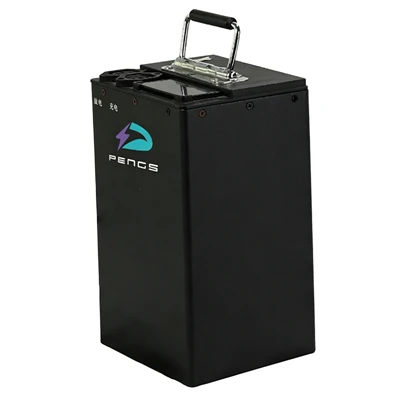
As a seasoned supplier in the robot battery industry, I’ve witnessed firsthand the critical role that batteries play in the seamless operation of robots. A failing battery can significantly hamper a robot’s performance, leading to disruptions in various applications, from industrial automation to household assistance. In this blog, I’ll delve into the telltale symptoms of a failing robot battery, drawing on my years of experience and industry knowledge. Robot Battery
1. Reduced Runtime
One of the most obvious signs of a failing robot battery is a noticeable decrease in runtime. When a battery is in good condition, it can power the robot for a specific duration as specified by the manufacturer. However, as the battery ages or experiences issues, it loses its ability to hold a charge, resulting in shorter operating times.
For instance, if a robot typically runs for 8 hours on a single charge, but you start noticing that it only lasts for 4 or 5 hours, it’s a clear indication that the battery is deteriorating. This reduction in runtime can be particularly problematic in industrial settings where robots are expected to operate continuously for extended periods. It can lead to production delays, increased downtime for recharging, and ultimately, a decrease in overall productivity.
2. Slow Charging
Another symptom of a failing robot battery is slow charging. A healthy battery should be able to charge within a reasonable time frame according to the manufacturer’s specifications. If you notice that the battery is taking significantly longer to charge than usual, it could be a sign of internal damage or degradation.
Slow charging can be caused by a variety of factors, including a faulty charger, a damaged battery cell, or a build-up of internal resistance. In some cases, the battery may not even reach a full charge, even after being connected to the charger for an extended period. This not only affects the robot’s availability but also indicates that the battery may need to be replaced soon.
3. Overheating
Overheating is a serious concern when it comes to robot batteries. While it’s normal for a battery to generate some heat during charging and discharging, excessive heat is a sign of trouble. If you notice that the battery is becoming unusually hot to the touch, especially during normal operation, it could be a sign of a failing battery.
Overheating can be caused by a variety of factors, including overcharging, short circuits, or a malfunctioning battery management system. Prolonged exposure to high temperatures can damage the battery cells, reduce their capacity, and even pose a safety risk. In extreme cases, overheating can lead to thermal runaway, a condition where the battery heats up uncontrollably and can potentially cause a fire or explosion.
4. Inconsistent Performance
A failing robot battery may also exhibit inconsistent performance. This can manifest in various ways, such as sudden power drops, intermittent shutdowns, or erratic behavior. For example, the robot may start to slow down or freeze during operation, or it may lose its ability to perform certain tasks accurately.
Inconsistent performance can be particularly challenging to diagnose, as it may not always be directly related to the battery. However, if you notice that these issues occur more frequently as the battery ages or after a certain number of charge cycles, it’s likely that the battery is the culprit.
5. Swelling
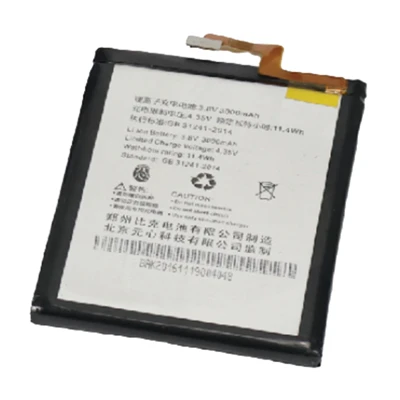
Swelling is a visible sign of a serious problem with the battery. If you notice that the battery is bulging or expanding, it’s a clear indication that something is wrong. Swelling can be caused by a variety of factors, including overcharging, overheating, or a chemical reaction within the battery cells.
A swollen battery is not only a sign of a failing battery but also poses a significant safety risk. The pressure build-up inside the battery can cause it to rupture or explode, releasing harmful chemicals and potentially causing injury. If you notice any signs of swelling, it’s important to stop using the battery immediately and replace it with a new one.
6. Low Voltage Readings
Monitoring the voltage readings of the battery is an effective way to detect early signs of a failing battery. A healthy battery should maintain a relatively stable voltage level throughout its charge cycle. However, as the battery ages or experiences issues, its voltage may start to drop more rapidly than normal.
If you use a battery charger or a multimeter to measure the voltage of the battery, and you notice that the readings are consistently lower than the manufacturer’s specifications, it could be a sign of a failing battery. Low voltage readings can indicate that the battery cells are losing their capacity or that there is a problem with the battery management system.
7. Error Messages or Alerts
Many modern robots are equipped with battery management systems that can detect and report issues with the battery. If you notice error messages or alerts on the robot’s control panel or display indicating a problem with the battery, it’s important to take them seriously.
These error messages can provide valuable information about the specific issue with the battery, such as low voltage, overheating, or a faulty cell. Ignoring these messages can lead to further damage to the battery and the robot, as well as potential safety hazards.
Conclusion
Recognizing the symptoms of a failing robot battery is crucial for ensuring the reliable and efficient operation of your robots. By paying attention to signs such as reduced runtime, slow charging, overheating, inconsistent performance, swelling, low voltage readings, and error messages, you can identify battery issues early and take appropriate action.
As a trusted robot battery supplier, I understand the importance of providing high-quality batteries that meet the specific needs of your robots. Our team of experts is dedicated to helping you select the right battery for your application and providing ongoing support to ensure its optimal performance.
Robot Battery If you’re experiencing any of the symptoms mentioned above or if you have any questions about robot batteries, I encourage you to reach out to us for a consultation. We’re here to help you find the best solution for your battery needs and to keep your robots running smoothly.
References
- Battery University. (n.d.). Understanding Battery Failure. Retrieved from Battery University’s official resources.
- IEEE Transactions on Industrial Electronics. Various research papers related to battery performance and failure analysis.
- Manufacturer’s manuals for different robot models and battery types.
Zhuhai Greaton Electronic Technology Co., Ltd.
As one of the most professional robot battery manufacturers and suppliers in China, we have world-leading production equipment and strong manufacturing capabilities. Please rest assured to wholesale advanced robot battery in stock here from our factory. Customized orders are welcome.
Address: 2nd Floor, Building A3, No. 6, Liulu, Xinqing Science and Technology Industrial Park, Jing’an Town, Doumen District, Zhuhai City
E-mail: wangchen1@psbattery.cn
WebSite: https://www.cngreaton.com/
