As a supplier of high temperature tunnel kilns, I often encounter questions from customers regarding the thermal expansion of the kiln structure. Thermal expansion is a critical issue in high temperature tunnel kilns, as it can significantly affect the kiln’s performance, durability, and safety. In this blog, I will share some insights on how to deal with the thermal expansion of the kiln structure in a high temperature tunnel kiln. High Temperature Tunnel Kiln
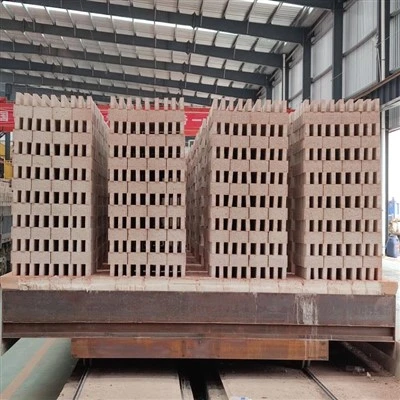
Understanding Thermal Expansion in High Temperature Tunnel Kilns
Before delving into the solutions, it’s essential to understand what thermal expansion is and why it’s a concern in high temperature tunnel kilns. Thermal expansion refers to the tendency of matter to change in volume in response to a change in temperature. When a material is heated, its molecules gain energy and move more freely, causing the material to expand. In a high temperature tunnel kiln, where temperatures can reach several hundred to over a thousand degrees Celsius, this expansion can be substantial.
The kiln structure is typically made up of various materials, including refractory bricks, insulation materials, and metal components. Each of these materials has a different coefficient of thermal expansion (CTE), which is a measure of how much the material will expand or contract with temperature changes. The difference in CTE between different materials can lead to internal stresses within the kiln structure when the kiln is heated or cooled. If these stresses are not properly managed, they can cause cracking, deformation, and even failure of the kiln structure.
Design Considerations to Accommodate Thermal Expansion
One of the most effective ways to deal with thermal expansion is through proper design. Here are some design considerations that can help accommodate thermal expansion in a high temperature tunnel kiln:
Expansion Joints
Expansion joints are essential components in a high temperature tunnel kiln. They are designed to allow the kiln structure to expand and contract freely without causing damage. Expansion joints are typically installed at regular intervals along the length of the kiln, between different sections of the refractory lining, and at the connections between the kiln and other equipment.
There are several types of expansion joints, including compression joints, slip joints, and bellows joints. Compression joints are the most common type and are typically made of ceramic fiber or refractory materials. They work by compressing the material between two surfaces to allow for expansion. Slip joints, on the other hand, allow the material to slide freely between two surfaces, while bellows joints use a flexible metal bellows to absorb the expansion.
Modular Design
A modular design approach can also help manage thermal expansion. By dividing the kiln into smaller, modular sections, each section can expand and contract independently without affecting the rest of the kiln. This reduces the internal stresses within the kiln structure and makes it easier to repair or replace individual sections if necessary.
Proper Support Structure
The support structure of the kiln plays a crucial role in accommodating thermal expansion. The support structure should be designed to allow the kiln to expand and contract freely without being restricted. This may involve using flexible supports or allowing for some movement in the foundation.
Material Selection for Thermal Expansion Management
The choice of materials for the kiln structure can also have a significant impact on thermal expansion management. Here are some factors to consider when selecting materials:
Coefficient of Thermal Expansion
As mentioned earlier, the coefficient of thermal expansion (CTE) is a critical factor to consider when selecting materials for the kiln structure. Materials with similar CTEs should be used together to minimize the internal stresses caused by thermal expansion. For example, refractory bricks with a similar CTE should be used for the lining of the kiln, and metal components should be selected based on their compatibility with the refractory materials.
Thermal Conductivity
The thermal conductivity of the materials used in the kiln structure can also affect thermal expansion. Materials with high thermal conductivity can transfer heat more quickly, reducing the temperature gradient within the kiln and minimizing the thermal expansion. On the other hand, materials with low thermal conductivity can help insulate the kiln and reduce heat loss, but they may also increase the temperature gradient and cause more significant thermal expansion.
Durability
The materials used in the kiln structure should be durable enough to withstand the high temperatures and harsh operating conditions of the kiln. Refractory materials, for example, should have good thermal shock resistance, abrasion resistance, and chemical stability to ensure long-term performance.
Operational Practices to Manage Thermal Expansion
In addition to design and material selection, operational practices can also play an important role in managing thermal expansion in a high temperature tunnel kiln. Here are some operational practices to consider:
Gradual Heating and Cooling
Rapid heating and cooling can cause significant thermal stress in the kiln structure. To minimize this stress, the kiln should be heated and cooled gradually. This allows the materials in the kiln structure to expand and contract slowly, reducing the internal stresses and preventing damage.
Temperature Control
Proper temperature control is essential to manage thermal expansion in a high temperature tunnel kiln. The temperature should be maintained within a specific range to ensure consistent performance and minimize the thermal expansion. This may involve using temperature sensors and controllers to monitor and adjust the temperature of the kiln.
Regular Inspections and Maintenance
Regular inspections and maintenance are crucial to detect and address any issues related to thermal expansion early on. Inspections should be carried out regularly to check for signs of cracking, deformation, or other damage to the kiln structure. Any issues should be addressed immediately to prevent further damage and ensure the safe and efficient operation of the kiln.
Monitoring and Testing for Thermal Expansion
Monitoring and testing can help ensure that the thermal expansion of the kiln structure is within acceptable limits. Here are some monitoring and testing methods that can be used:
Strain Gauges
Strain gauges can be used to measure the strain or deformation of the kiln structure due to thermal expansion. They are typically installed on the surface of the kiln structure and can provide real-time data on the stress levels. This data can be used to monitor the performance of the kiln and detect any potential issues early on.
Temperature Sensors
Temperature sensors can be used to monitor the temperature distribution within the kiln. By measuring the temperature at different points in the kiln, it is possible to detect any temperature gradients that may cause thermal stress. This information can be used to adjust the heating and cooling processes to minimize the thermal expansion.
Non-Destructive Testing
Non-destructive testing methods, such as ultrasonic testing and X-ray inspection, can be used to detect any internal flaws or damage in the kiln structure. These methods can help identify potential issues before they become serious and cause failure of the kiln.
Conclusion
Dealing with the thermal expansion of the kiln structure in a high temperature tunnel kiln is a complex but critical issue. By understanding the causes and effects of thermal expansion, and implementing proper design, material selection, operational practices, and monitoring and testing, it is possible to minimize the impact of thermal expansion and ensure the safe and efficient operation of the kiln.
Mobile Energy Saving Rotary Kiln If you are in the market for a high temperature tunnel kiln and need help with thermal expansion management, I encourage you to contact us. Our team of experts has extensive experience in designing and manufacturing high temperature tunnel kilns, and we can provide you with the best solutions to meet your specific needs.
References
- ASTM International. (2019). Standard Test Methods for Linear Thermal Expansion of Refractory Materials. ASTM C372.
- Brockmeyer, W. R., & Lane, W. H. (1997). High Temperature Materials Science: A Fundamental Approach. Chapman & Hall.
- Reed, J. S. (1994). Principles of Ceramics Processing. Wiley-Interscience.
Henan Yaxin Kiln Co., Ltd.
Henan Yaxin Kiln Co., Ltd. is one of the most professional high temperature tunnel kiln manufacturers and suppliers in China. With abundant experience, we warmly welcome you to buy high quality high temperature tunnel kiln with the latest design from our factory. Good service and punctual delivery are available.
Address: Jixian Industrial Zone, Shangqiu City, Henan Province
E-mail: 1543563178@qq.com
WebSite: https://www.hnyxkiln.com/
