Hey there! As an underground net supplier, I’ve been in the game for quite a while, and I’ve seen firsthand how important it is to have a well – designed underground net. So, let’s dive right in and talk about the design principles of an underground net. Underground Net

Function First
The most crucial thing when designing an underground net is to figure out its main function. Underground nets have a wide range of uses. For instance, in agriculture, they can be used to prevent the intrusion of small animals like moles and voles. These little critters can cause a lot of damage to crop roots, and a well – designed net can stop them in their tracks.
In construction, underground nets are used for soil stabilization. When building on soft or unstable ground, these nets can help distribute the load and prevent soil erosion. So, before starting the design process, we gotta ask ourselves: what job does this net need to do?
If it’s for animal control, we need to make sure the mesh size is small enough to keep the target animals out. For soil stabilization, the net should have enough strength and flexibility to adapt to the soil’s movements.
Material Matters
The choice of material for an underground net is super important. It needs to be durable, especially since it’s going underground where it’ll be exposed to moisture, soil chemicals, and physical stress.
One popular material is high – density polyethylene (HDPE). It’s resistant to corrosion, has good tensile strength, and can withstand the harsh underground environment. It’s also relatively lightweight, which makes it easier to handle during installation.
Another option is galvanized steel. It’s incredibly strong and can offer long – term protection. However, it’s heavier and more expensive than HDPE. The choice between these materials depends on the specific requirements of the project. If cost is a major concern and the net doesn’t need to withstand extremely high stress, HDPE might be the way to go. But for heavy – duty applications like large – scale construction projects, galvanized steel could be the better option.
Mesh Design
The mesh design of an underground net is a key factor. The size of the mesh determines what can pass through it. If it’s too large, then it won’t serve its purpose, whether it’s keeping animals out or stabilizing soil.
For animal control, a fine mesh is usually required. For example, if we’re trying to keep out mice, the mesh size should be small enough that they can’t squeeze through. On the other hand, if the net is for soil filtration, a slightly larger mesh can be used to allow water and small particles to pass through while still holding the soil in place.
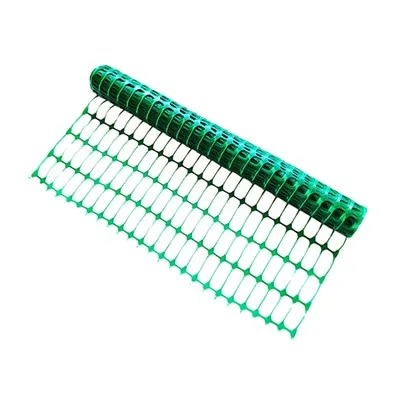
The shape of the mesh also matters. Square or rectangular meshes are common because they’re relatively easy to manufacture. However, triangular meshes can offer better structural stability. When we’re designing the mesh, we also need to consider the spacing between the mesh openings and the thickness of the strands. These factors will affect the net’s overall strength and performance.
Installation Considerations
A well – designed underground net also takes into account how it’ll be installed. It should be easy to handle and install, even in difficult terrains.
Some nets come in pre – cut sizes, which can make installation faster. Others are sold in rolls, giving more flexibility in terms of customizing the size for different projects. We also need to think about how the net will be secured in place. For soil stabilization, stakes or anchors can be used to hold the net firmly in the ground.
In addition, the net should be able to adapt to different soil conditions. If the soil is very loose, the net may need to be buried deeper or have a stronger anchoring system. If it’s rocky soil, the net should be tough enough not to be damaged during the installation process.
Long – Term Performance
An underground net is an investment, and it needs to perform well over the long term. This means it should be resistant to degradation. UV rays can cause damage to some materials, so if the net is going to be exposed to sunlight during installation or in areas where the soil cover is thin, we need to choose a UV – resistant material.
Microbial activity in the soil can also affect the net. Some materials are more prone to being broken down by soil bacteria and fungi. We need to select materials that can resist this kind of biological degradation.
Regular maintenance is also important for long – term performance. Although underground nets are designed to be low – maintenance, occasional inspections can help identify any issues early on, such as damage from animals or natural disasters.
Cost – Effectiveness
Let’s face it, cost is always a consideration. We want to design an underground net that offers good value for money. This doesn’t mean cutting corners on quality, but rather finding the right balance between performance and cost.
By choosing the right material and optimizing the mesh design, we can reduce the overall cost of the net. For example, using a less expensive but still suitable material for less demanding applications can save money. Also, designing a net that’s easy to install can reduce labor costs.
Environmental Impact
In today’s world, we also need to think about the environmental impact of our products. When designing an underground net, we should try to use sustainable materials. Materials that are recyclable or biodegradable can have a much lower environmental footprint.
For example, some bioplastics can be used as an alternative to traditional plastics. They break down over time, reducing the amount of waste in the soil. We also need to consider the manufacturing process and try to minimize energy consumption and emissions.
Customization
Every project is different, and that’s why customization is a big part of underground net design. We need to be able to tailor the net to the specific needs of the customer.
This could mean adjusting the mesh size, the material, or the overall dimensions of the net. For a large – scale agricultural project, the customer might need a very large net with a specific mesh size to keep out a particular type of pest. For a small – scale garden project, a smaller, more flexible net might be more appropriate.
As a supplier, being able to offer customization options gives us a competitive edge. It shows that we understand the unique requirements of each customer and are willing to go the extra mile to meet their needs.
Conclusion
So, there you have it – the main design principles of an underground net. From function and material selection to installation and long – term performance, every aspect plays a crucial role in creating a high – quality product.
Plastic Square Mesh If you’re in the market for an underground net, whether it’s for agriculture, construction, or any other application, I’d love to talk to you. We’ve got the expertise and the ability to design and supply the perfect underground net for your project. Just reach out, and we can start discussing your specific needs and how we can meet them.
References
- "Underground Geosynthetics: Design and Applications" by GeoTech Publishing
- "Agricultural Pest Control with Underground Barriers" in Journal of Agricultural Science
- "Materials for Underground Structures" from Construction Materials Review
Shaoxing Yongte Plastics Co., Ltd.
We are one of the most reliable underground net manufacturers and suppliers in China, specialized in providing high quality customized products. We warmly welcome you to wholesale discount underground net for sale here from our factory. Contact us for pricelist and free sample.
Address: INDUSTRIAL PARK, LIZHU TOWN, KEQIAO DISTRICT, SHAOXING CITY, ZHEJIANG PROVINCE
E-mail: support@sxxyongte.com.cn
WebSite: https://www.fenceplastic.com/
